
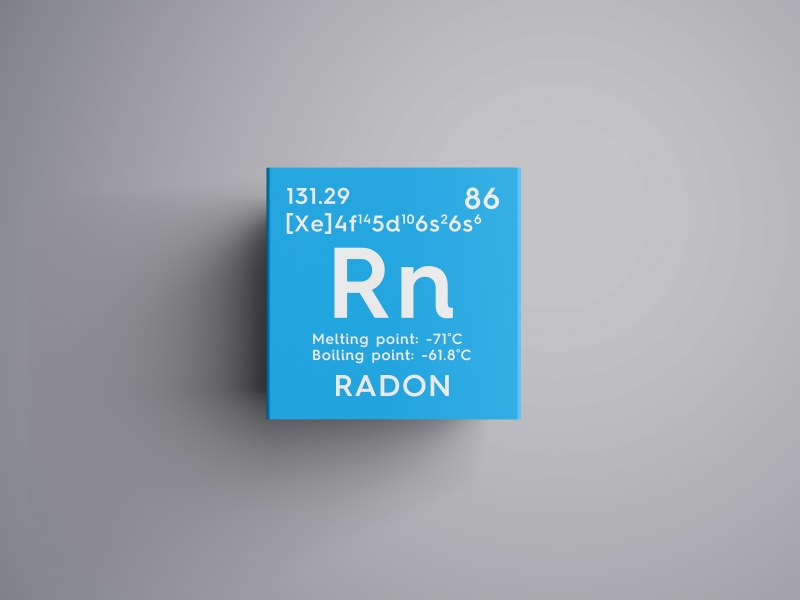
You may not be able to see it or smell it, but radon can be found everywhere – usually at low levels that pose no health risk. However, if this naturally occurring gas makes its way into your new home and builds up to high concentration levels, it can be a cause for concern.
To better protect yourself and your new home, here are four things you should know about radon.
1. Radon can seep into your house or condominium
Radon is formed by the breakdown of uranium found in rock and soil. When it releases from the ground and into the air, it’s diluted to low levels. However, radon can become an issue if it seeps into a home – through small below-grade openings in basement floors or foundations – and becomes trapped in enclosed spaces like basements or crawlspaces.
Radon is colourless and odourless, and there’s no way to determine if radon is going to be a problem before a home is built. This is why testing for it is key.
2. Radon concentration levels can vary throughout your home
As temperatures change throughout the year, this can cause radon concentration levels to fluctuate within your home. The weather and air pressure can produce different readings throughout certain periods – for example, having windows or doors open more frequently during the summer months can often skew test results.
Radon levels can also fluctuate between different living spaces in your home. According to Health Canada, a basement generally would have higher concentration levels than upper floors, given it is nearest to the source and is not as well-ventilated.
3. It’s easy to test your home’s radon levels
Radon is measured in units called becquerels per cubic metre (Bq/m3) and Health Canada has set 200 becquerels per cubic metre as the guideline for taking action to reduce it. To determine the radon level in your home, there are two ways to test: you can purchase a do-it-yourself 90-day radon testing kit or hire a radon measurement professional. But before you test your home, ensure that the test or the professional you hire is certified through the Canadian National Radon Proficiency Program so that the test results can be used to determine eligibility for coverage under the new home warranty.
Health Canada advises testing for radon between October and April, In older homes or newly built freehold homes, owners can conduct or arrange radon testing in their home. In condominiums, owners of condo units can test or arrange for testing in areas that are part of their unit, while the condominium corporation could look after areas that are part of the common elements of the building. .
4. Your new home warranty includes radon remediation coverage
In Ontario, the builder’s warranty on a new home includes radon remediation coverage that lasts for up to seven years. The warranty covers remediation to reduce radon levels if radon gas in your home is more than Health Canada’s guideline of 200 becquerels per cubic metre.
So, if your test results come back above the guideline, contact your builder and allow them an opportunity to address the situation. If you need further assistance, you can make a claim to Tarion at any time within seven years from your home’s original date of possession or warranty start date.
You can watch our video or visit Health Canada’s website to learn more about radon.